
BitcoinWorld
DRW, Wintermute, and IMC Build Dedicated Trading Desks for Prediction Markets
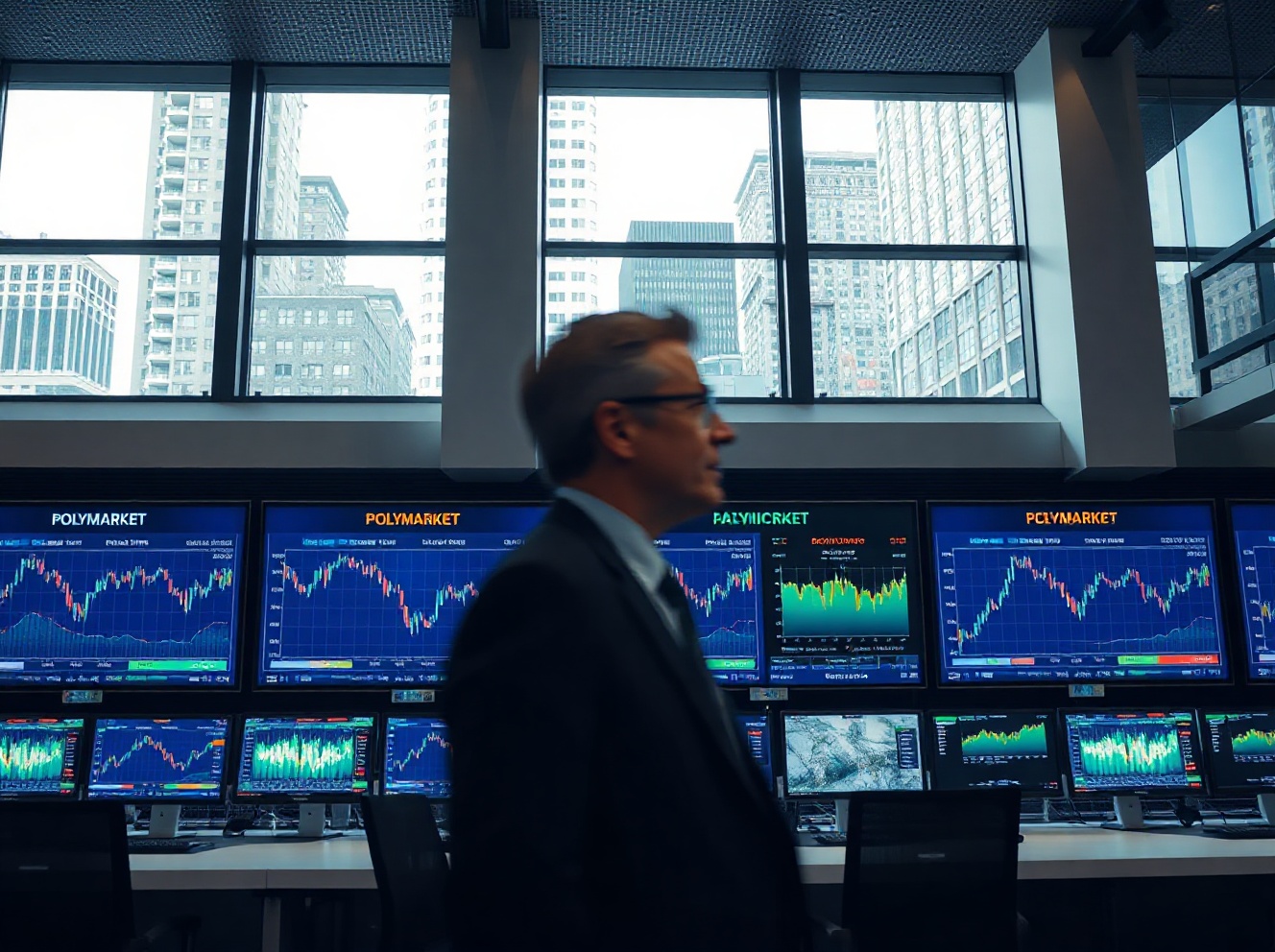
Chicago-based trading giant DRW is establishing a dedicated trading desk specifically targeting prediction market platforms such as Polymarket and Kalshi, signaling a significant shift in how institutional trading firms view these emerging venues. According to a report from CoinDesk, DRW is actively hiring for the new unit, joining a growing list of major firms that are no longer treating prediction markets as experimental side projects.
Institutional Players Enter the Prediction Market Arena
DRW’s move is not an isolated development. Crypto market maker Wintermute is seeking algorithmic traders with direct experience in prediction markets, while trading firm IMC is actively recruiting quantitative traders familiar with Binary Event Contracts — the financial instruments that underpin many prediction market outcomes. These hiring campaigns indicate that trading firms are increasingly categorizing prediction markets as formal trading venues rather than simple betting products.
The distinction is crucial. Traditional betting platforms operate under different regulatory frameworks and are often viewed as entertainment. Prediction markets, by contrast, allow participants to trade on the outcome of real-world events — from election results to interest rate decisions — using mechanisms that closely resemble conventional derivatives trading. This structural similarity is attracting firms that already have the infrastructure to handle event-driven contracts.
Why This Matters for the Broader Market
The entry of sophisticated trading firms like DRW, Wintermute, and IMC into prediction markets brings several implications. First, it introduces deeper liquidity and tighter spreads, which benefits all participants. Second, it signals growing regulatory confidence — or at least regulatory tolerance — for these platforms. Kalshi, for example, operates under the oversight of the Commodity Futures Trading Commission (CFTC), giving it a regulatory stamp of approval that Polymarket, which operates largely on-chain, does not share.
Third, the involvement of institutional traders could accelerate the convergence between traditional finance and decentralized prediction platforms. If major market makers begin routing liquidity between Polymarket and Kalshi, or between prediction markets and traditional futures exchanges, the line between betting and trading may become increasingly blurred.
Regulatory and Operational Challenges Remain
Despite the enthusiasm, prediction markets remain a regulatory patchwork. Polymarket faced a $1.4 million settlement with the CFTC in 2022 for offering event contracts without registration. Kalshi, while CFTC-regulated, has faced its own legal battles over which event contracts are permissible. Trading firms entering this space must navigate these uncertainties carefully.
Additionally, the operational mechanics of prediction markets differ from traditional order books. Polymarket uses an automated market maker (AMM) model similar to decentralized exchanges, while Kalshi operates a more conventional limit-order book. Firms like Wintermute, which specialize in algorithmic market making across centralized and decentralized venues, are well-positioned to bridge these structural differences.
Conclusion
The establishment of dedicated trading desks for prediction markets by DRW, Wintermute, and IMC represents a maturing of the asset class. What was once dismissed as speculative gambling is now being treated as a legitimate trading venue by some of the most sophisticated firms in the industry. As liquidity deepens and regulatory frameworks solidify, prediction markets may become an increasingly standard component of institutional trading strategies.
FAQs
Q1: What are prediction markets?Prediction markets are platforms where participants trade contracts based on the outcome of future events, such as election results, economic data releases, or sports outcomes. Prices reflect the market’s collective probability estimate for each outcome.
Q2: Why are trading firms like DRW and Wintermute interested in prediction markets?These firms see prediction markets as formal trading venues with event-driven contracts that resemble traditional derivatives. The potential for arbitrage, liquidity provision, and exposure to novel risk factors makes them attractive to institutional traders.
Q3: How are prediction markets regulated in the United States?Regulation varies by platform. Kalshi is registered with the CFTC and operates under its oversight. Polymarket, which uses blockchain-based smart contracts, has faced regulatory action from the CFTC and currently restricts U.S. users from trading certain event contracts.
This post DRW, Wintermute, and IMC Build Dedicated Trading Desks for Prediction Markets first appeared on BitcoinWorld.
